Is Gemini 4 Argon Free? Plans, API Price and Limits
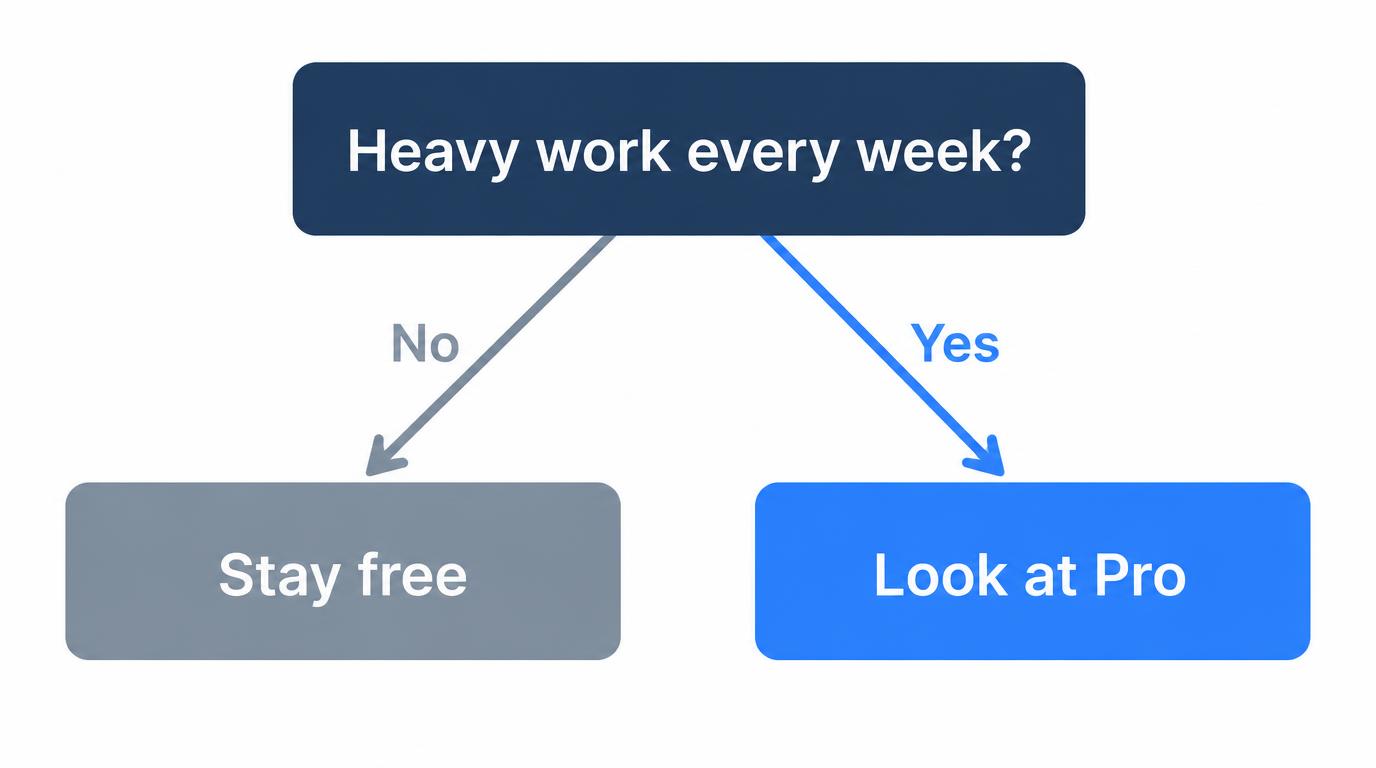
Gemini 4 Argon isn’t free: you need Google AI Pro, Ultra or the paid API. I hit the Pro cap after about 20 turns, and here’s when Argon came back.
Claude Code, Codex and Antigravity break in specific ways when you use them on real projects. I’m a backend developer who runs them at work and on my own code, plus local models on an RTX 4090, and I write down each error and the setting that fixed it.
All posts, newest first
Gemini 4 Argon isn’t free: you need Google AI Pro, Ultra or the paid API. I hit the Pro cap after about 20 turns, and here’s when Argon came back.
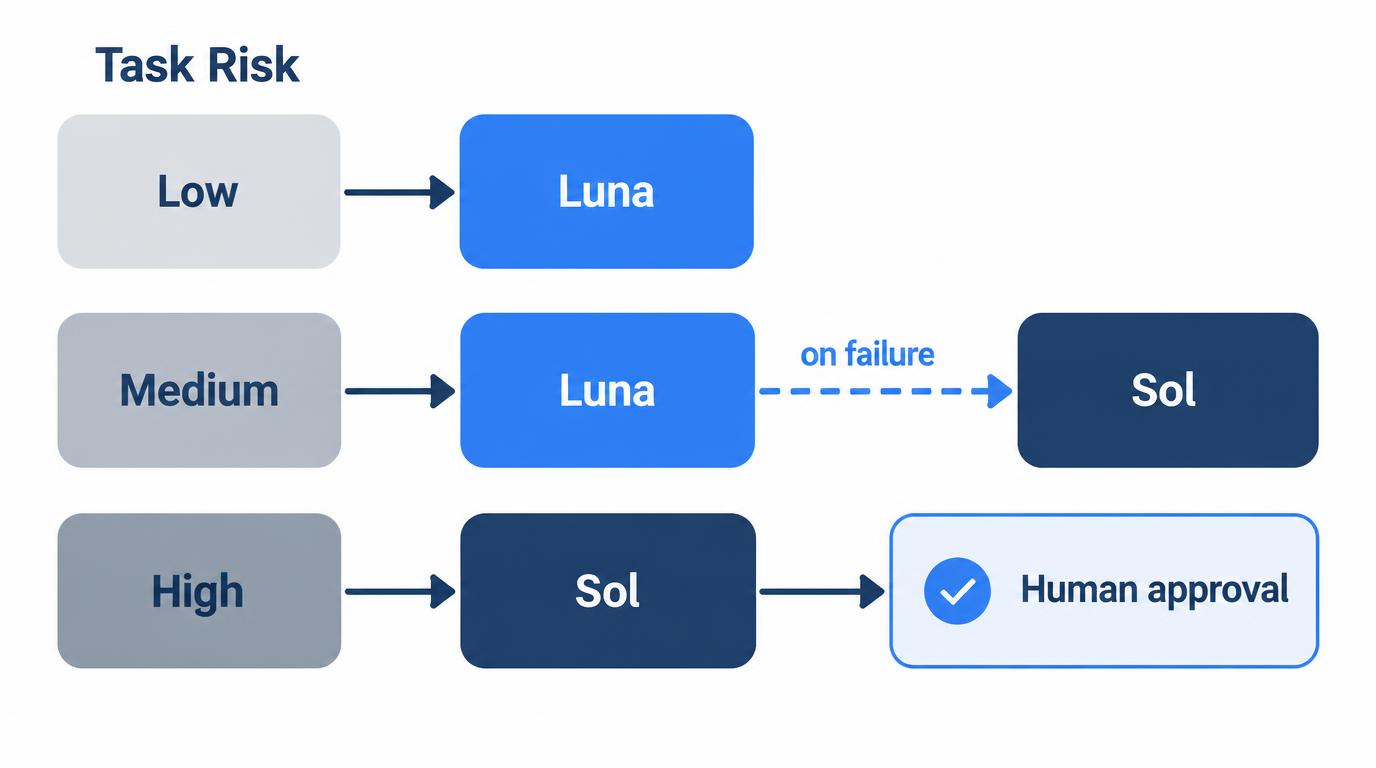
GPT-6 Luna costs 1/20 of Sol per token. In 60 runs on real coding tasks it was mostly enough for small edits but slipped on repo-wide work. Here are my escalation rules.
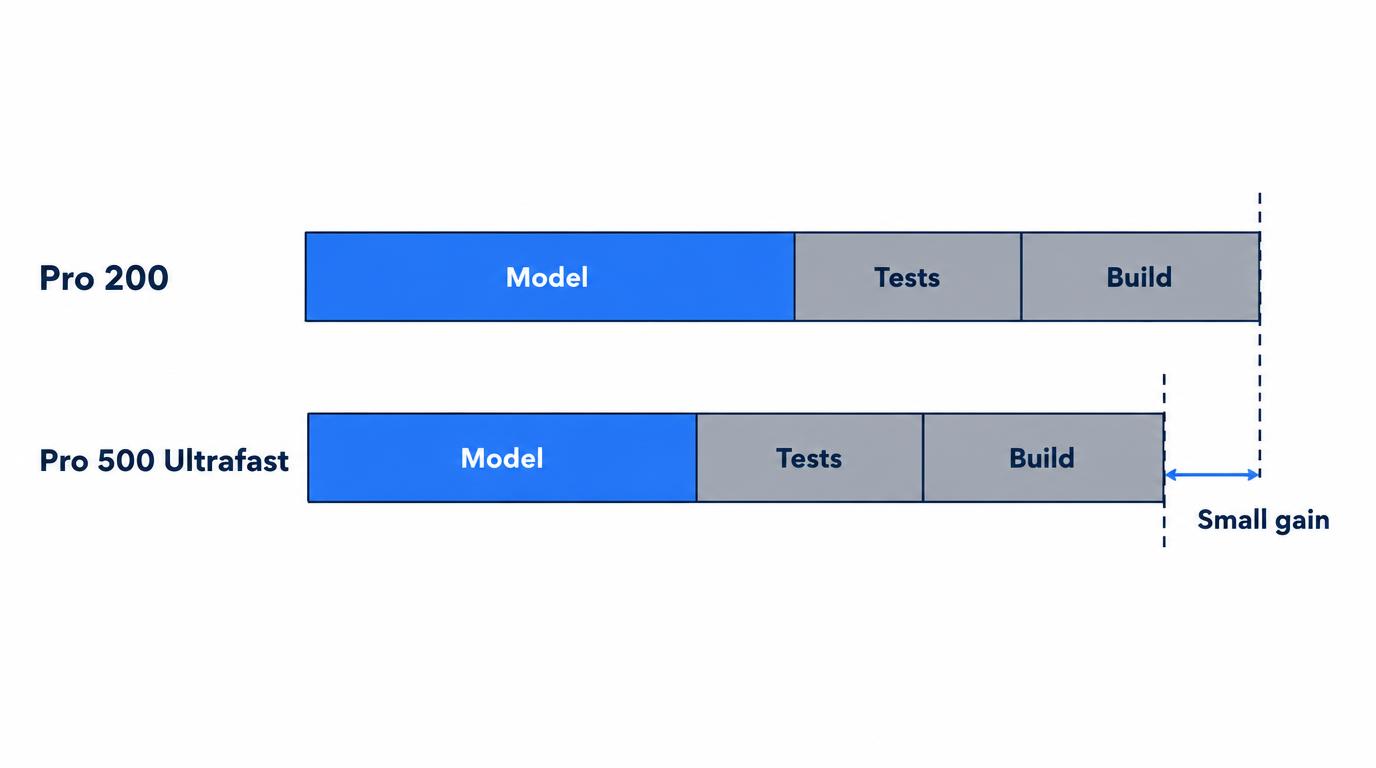
Pro 500 vs Pro 200 for Codex after the October 30 cut: what each plan gives, how Ultrafast burns 8x usage, and why I moved back to Pro 200.
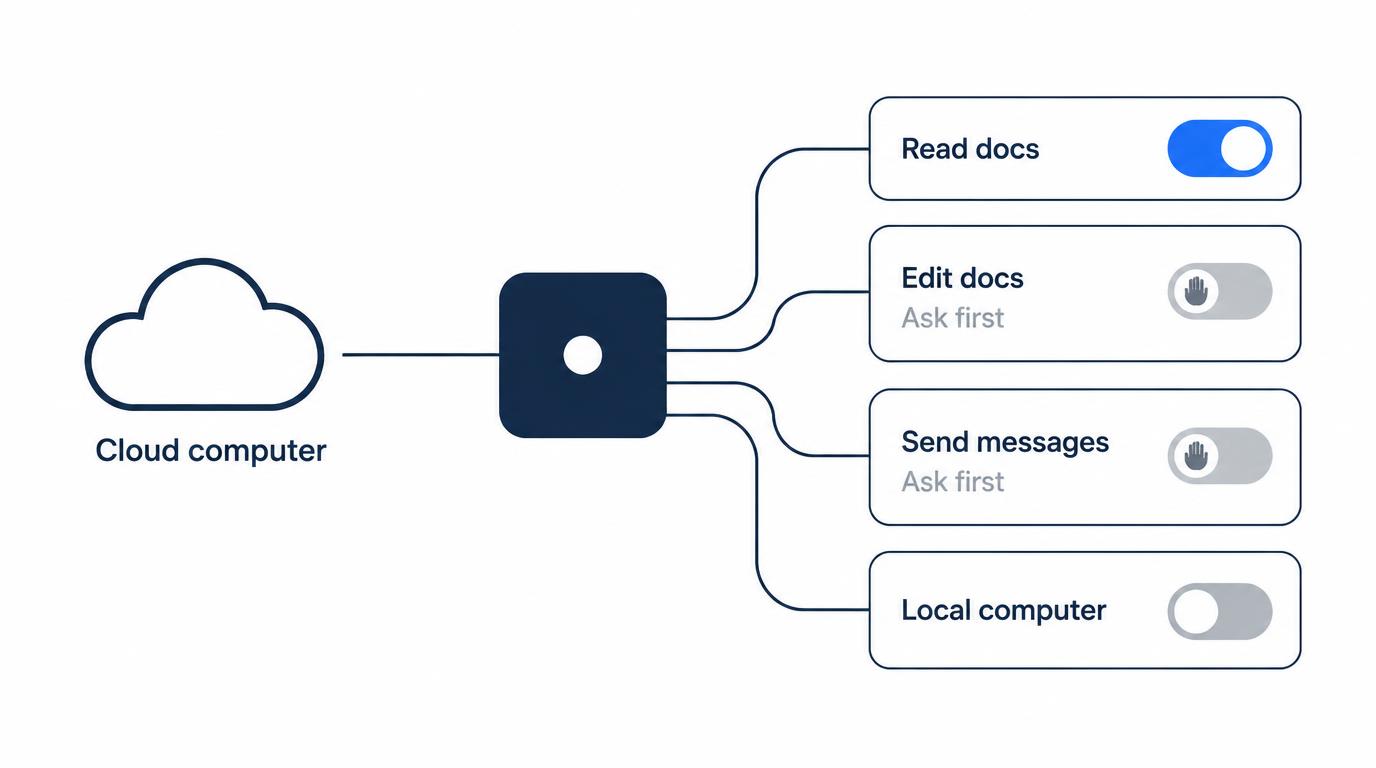
On my first OpenAI dot, reading stayed open, doc edits and sending needed approval, and payments and local Mac access stayed off. Here’s the split.
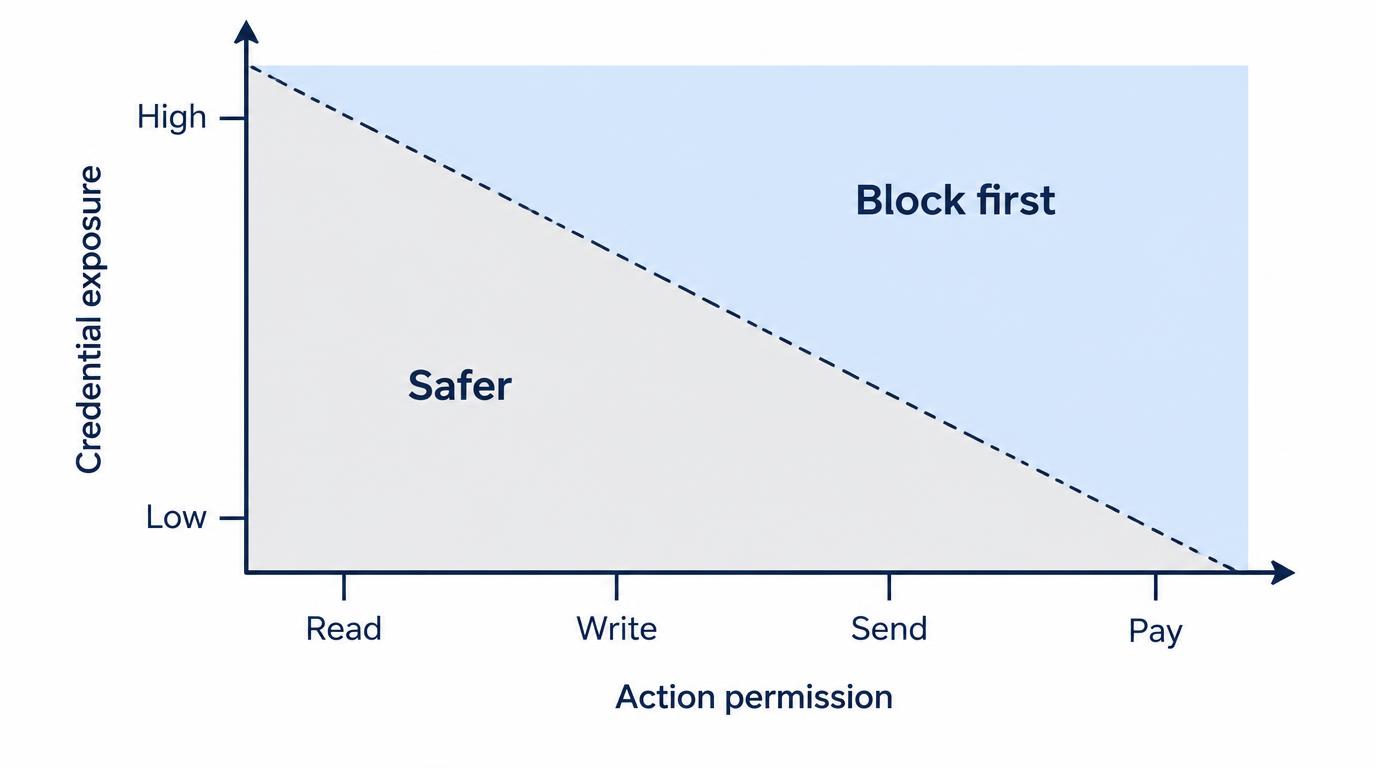
Which Meta Muse permissions to allow, which to approve one at a time, and what one-time cards and Sentinel can’t stop for your email and payments.
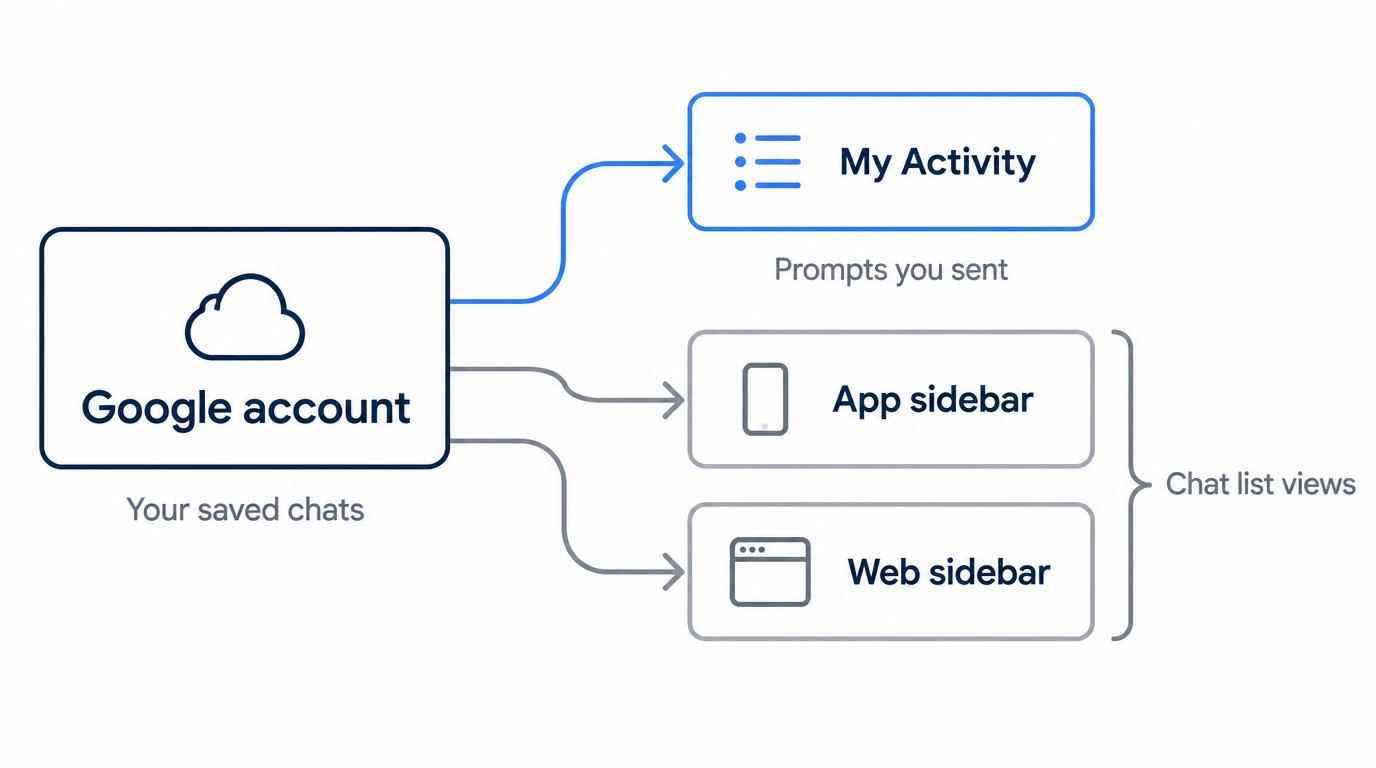
Gemini app not loading your chats? Check My Activity first. Some of mine were gone for good: the default 18-month auto-delete had removed them.
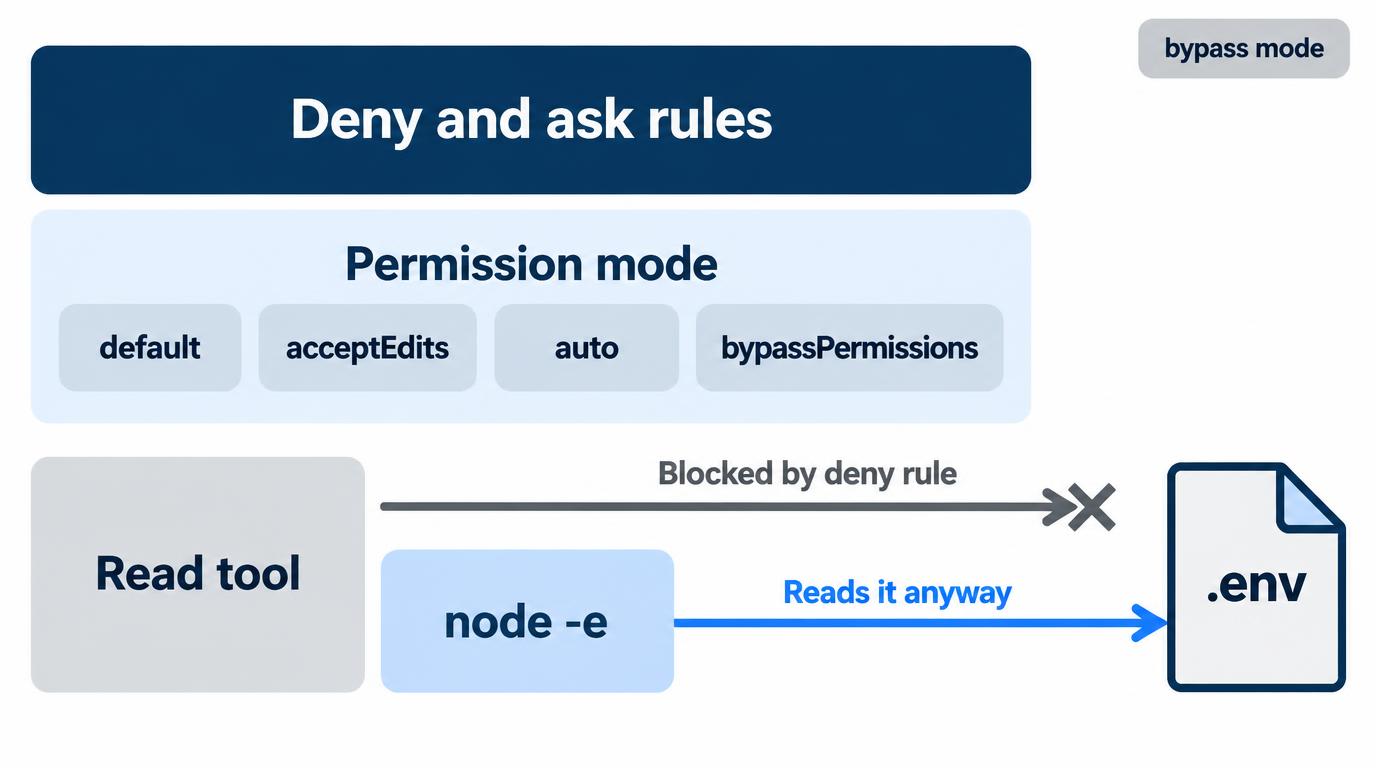
Switch Claude Code to acceptEdits, Codex to workspace-write with on-request. My 85-run test shows what still asks, and what slips past a deny rule.
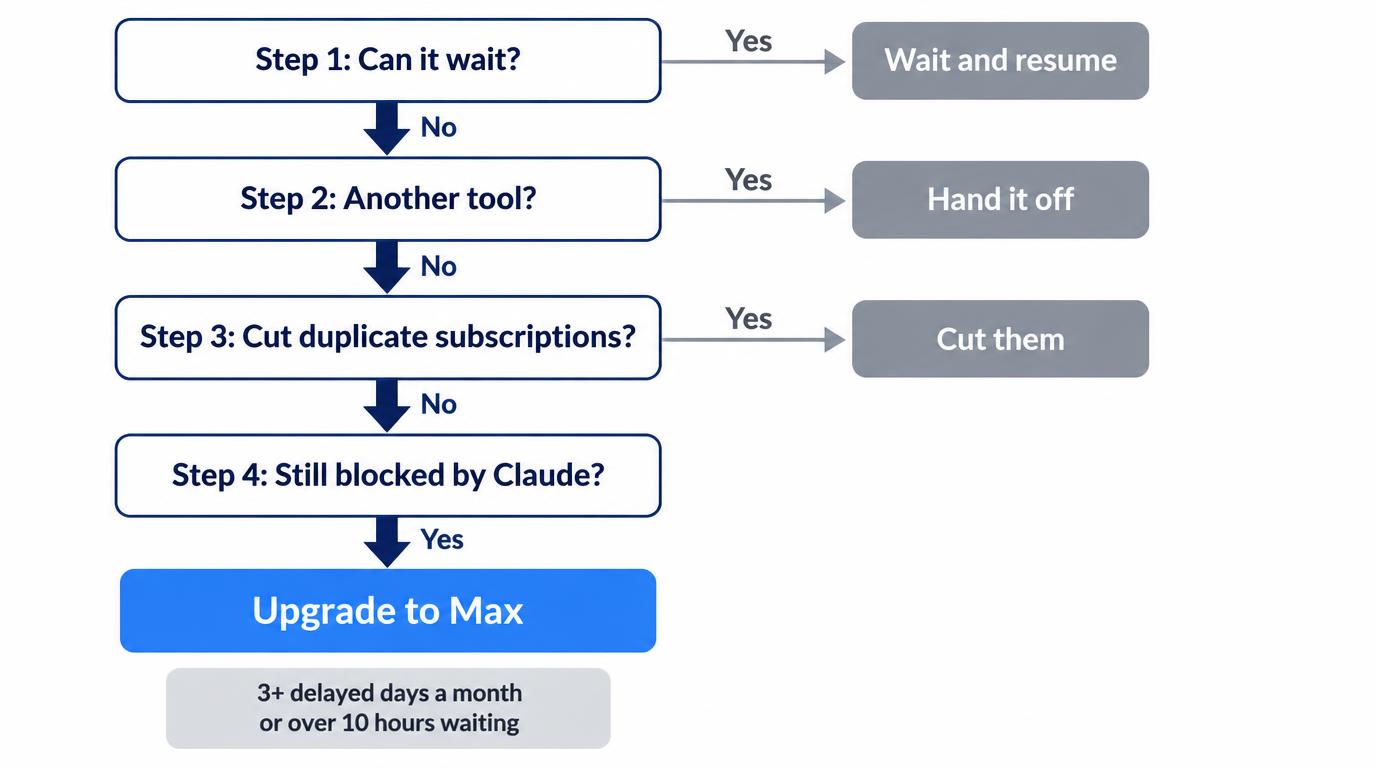
I hit Claude Pro limits in Claude Code, but waiting and Codex cover the gap. I’d move to Max at 3+ delayed days or over 10 hours of waiting a month.
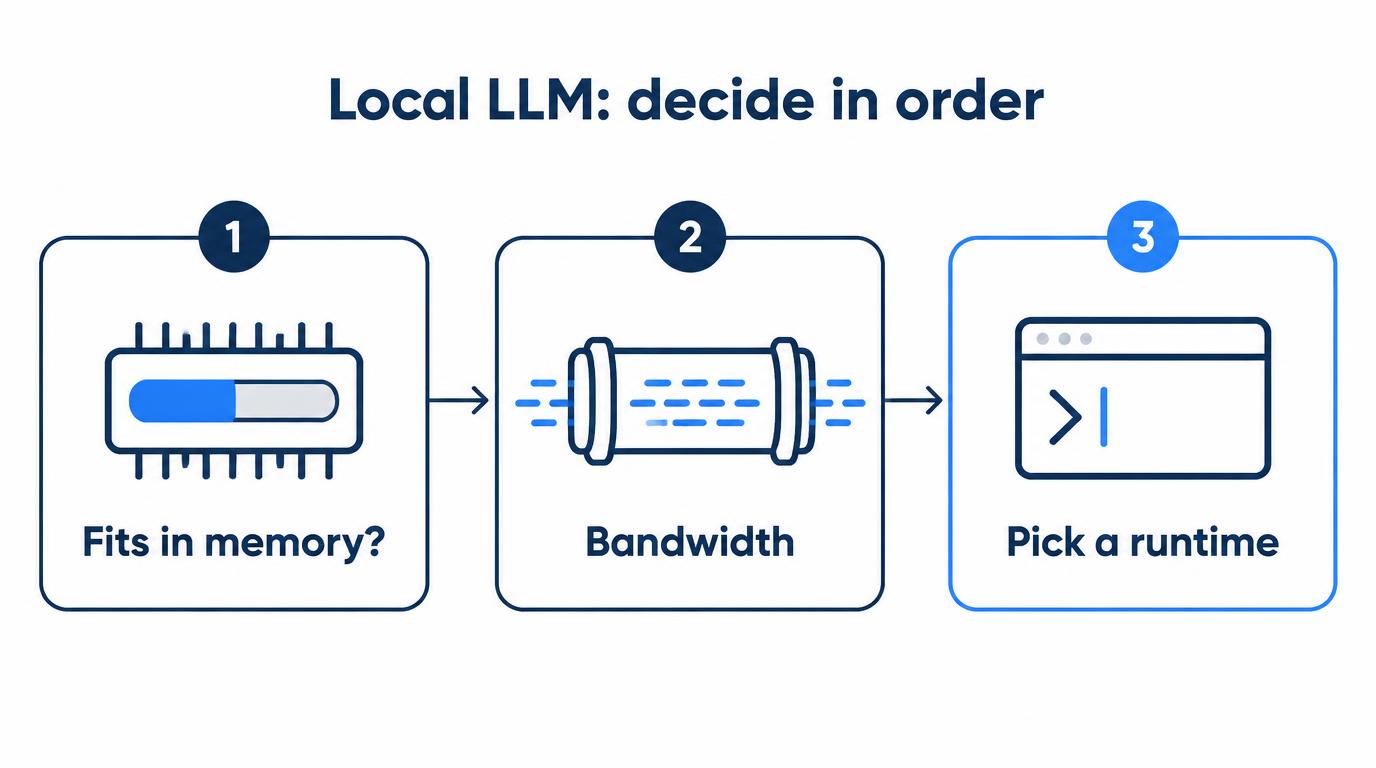
Which GPU, Mac or runtime for a local LLM? A decision table and the numbers I measured on my RTX 4090 24GB, with links to each full write-up.
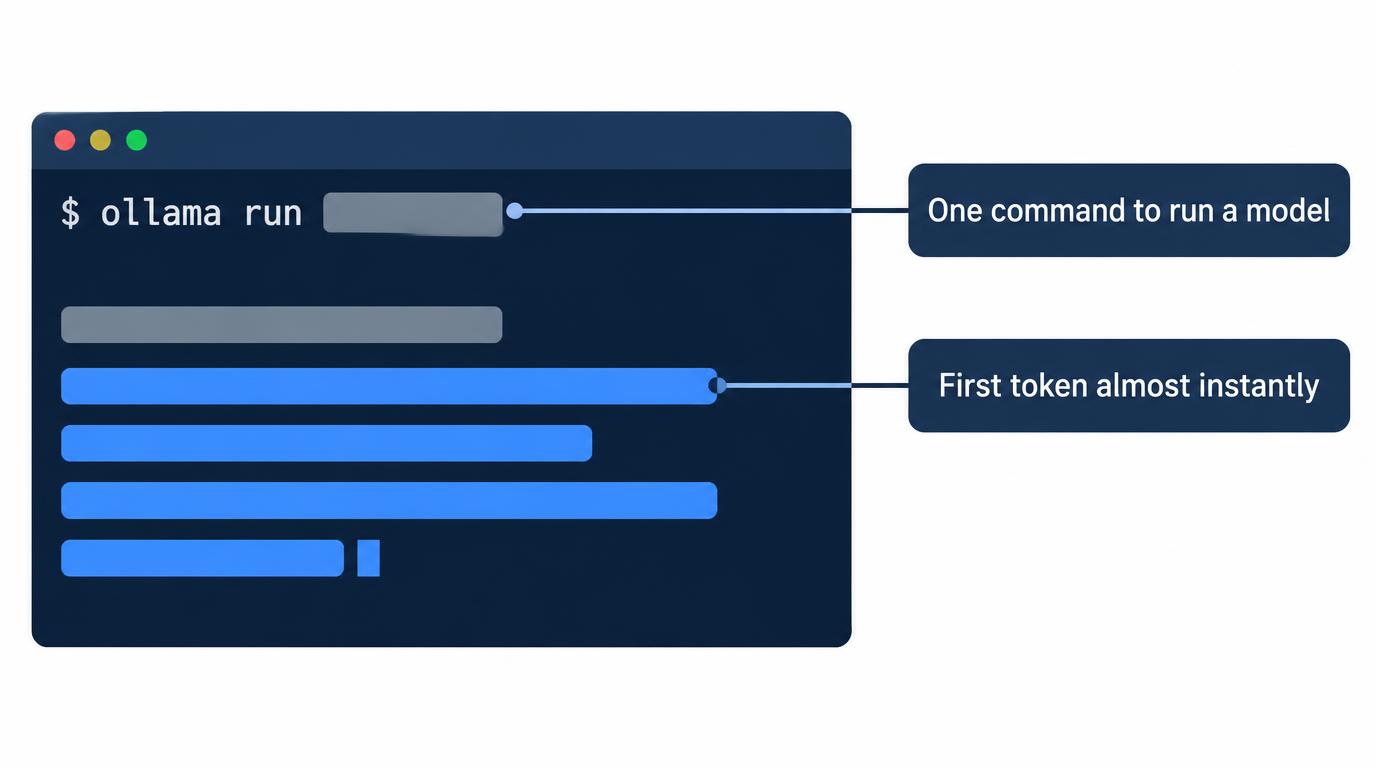
On my RTX 4090 (24GB), 7–8B models answer instantly; a 30B-class model took 20–30 s to start. Why big models slow down, how to check it, and what to pick.